
Landscaper
Yard grading in Boise, Idaho
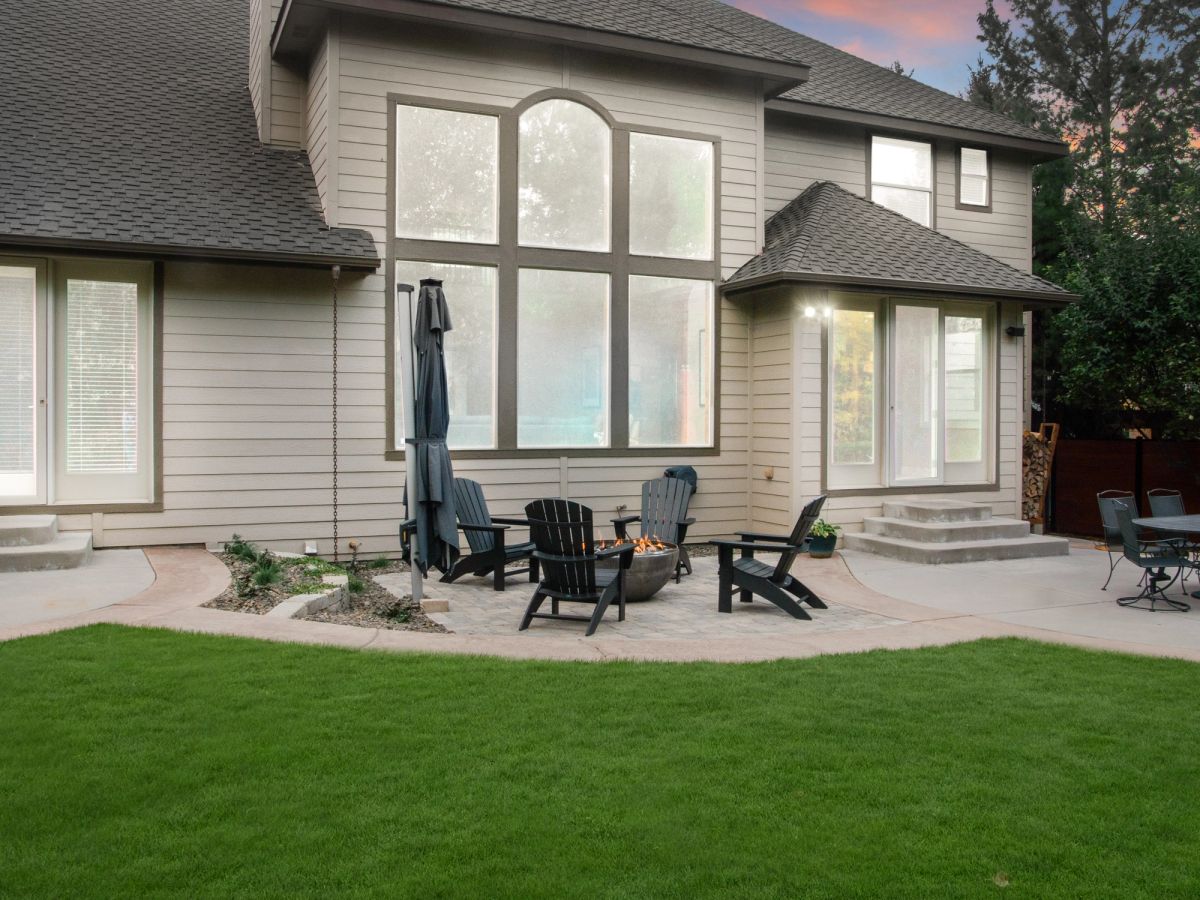
Yard grading in Boise, Idaho, to move water away from your house and smooth out low spots before new landscaping goes in. Call Kabe at (541) 961-7269 to schedule a consultation and walk your yard.
Yard grading in Boise, Idaho, to move water away from your house and smooth out low spots before new landscaping goes in. Call Kabe at (541) 961-7269 to schedule a consultation and walk your yard.
Yard grading in Boise is usually the fix when a homeowner tells me water runs toward the house, the lawn has puddles that won't go away, or the soil along the foundation has sunk a few inches since they moved in. It's not the most exciting part of landscaping. But if the ground is shaped wrong, every plant, patio and lawn you put on top of it will have problems.
Yard grading means shaping the surface of your yard so water drains where you want it to go. On most lots, that means away from the house and toward the street, a side swale or a planting bed that can soak it up. I check how your yard drains now, find the high and low spots, and reshape the soil so it moves water the right way. I do the work myself, and I'm there from the first measurement to the final rake.
Signs your yard needs grading
You don't need a flood to have a grading problem. Look for:
- Water standing near the foundation after rain or sprinklers
- Soil that slopes toward the house instead of away from it
- Puddles or soggy spots in the lawn that stay wet for days
- Settled soil along the foundation, often around window wells
- Bare paths where water has washed soil away
- Damp spots or a musty smell in a basement or crawl space
All of these mean the ground isn't moving water where it should.
Why grading matters near the foundation
Water that sits against your foundation soaks into the soil and can find its way into a crawl space or basement. In winter, wet soil next to the house freezes and expands, then thaws and shrinks. That cycle is hard on foundations, window wells and anything attached to the house.
A common rule of thumb is that the ground should drop about six inches over the first ten feet away from the house. That's enough slope to move water but gentle enough that you won't notice it when you walk across the yard. Some lots don't have ten feet to work with, especially side yards between homes, and that's where a shallow swale or a drain may be needed instead.
Rough grade and finish grade
Grading happens in two stages.
- Rough grading moves the bulk of the soil. It fills low spots, cuts down high spots and sets the overall slope of the yard.
- Finish grading is the last few inches. I smooth the surface, add topsoil where the ground needs it and leave it ready for sod, seed, rock or planting.
A lot of yards I see got a rough grade from the builder and never got a careful finish grade. The slope is close but bumpy, so water gets trapped in small dips.
Builder fill in new subdivisions
New homes across Meridian, Kuna, Star and the rest of the valley often sit on builder fill. That's soil pushed around during construction, packed hard by heavy equipment and sometimes mixed with gravel, chunks of concrete or construction scraps. The soil right next to the foundation is backfill that was dropped in after the foundation was poured, and it often settles for the first few years. That settling is why so many newer homes end up with soil sloping toward the house.
Part of grading a newer lot is digging through that fill, pulling out debris, loosening packed soil and rebuilding the slope with soil that will hold its shape.
How I grade a yard
Here's how a typical job goes:
- Have utility lines marked before digging
- Measure the existing slopes to find where water is going now
- Mark out the new high points, low points and drainage paths
- Strip any old lawn or plants in the work area
- Rough grade to set the new slope
- Compact the soil where it needs to be firm, like under future patios
- Finish grade with topsoil and a smooth surface
- Run water across it to check that it drains the way it should
When grading isn't enough
Sometimes the shape of the lot can't move all the water by itself. Downspouts may dump right next to the house, or a neighbor's yard may drain onto yours. In those cases I pair grading with yard drainage work like swales, dry creek beds or buried pipe.
Yard grading also fixes surface problems on mostly flat lots. If you have a real hillside to reshape, terraces to build or a steep slope that's sliding, that's grading and resloping, which is a bigger kind of project. Very steep ground may need retaining walls to hold it.
Grading before a new lawn or patio
Grading is the first step for most landscape projects. A new lawn needs a smooth, well-drained surface, which is why grading comes before any sod installation. A patio needs a base that slopes slightly so water runs off it. Doing the grading first saves you from tearing up finished work later.
What drives the cost
- The size of the area being graded
- How far off the current slope is
- How much soil has to be brought in or hauled away
- Debris or buried fill that has to come out
- Whether drainage pipe or swales are part of the job
- How easily equipment can get into the yard
I give a price after walking the yard with you.
Where I grade yards
I do yard grading in Boise, Eagle, Meridian, Nampa, Caldwell, Star, Middleton, Kuna, Garden City, Hidden Springs, Sun Valley and Ketchum. It's part of my landscaping services.
If water is heading toward your house instead of away from it, let's fix the ground first. Schedule a consultation for yard grading in Boise, or call me at (541) 961-7269.
More landscaper services
- Artificial turf installation
- Concrete masonry
- Desert landscaping
- Driveway landscaping
- Driveway or walkway paving
- Garden decorating
- Garden design
- Grading & resloping
- Grass seeding
- Green landscaping
- Hardscaping
- Hydroseeding
- Landscape installations
- Landscape management
- Lawn landscaping
- Outdoor step construction
- Outdoor water feature design
- Pool landscaping
- Retaining walls
- Rock landscaping
- Sod installation
- Stone landscaping
- Stone masonry
- Tree landscaping
- Walkway landscaping
- Yard drainage
- Yard landscaping
Yard grading is part of my landscaper services in Boise.
Yard grading questions
Watch where water goes after rain or sprinklers. If it stands near the foundation, pools in the lawn or runs toward the house, the grade needs work.
A common rule of thumb is about six inches of drop over the first ten feet. Where there isn't room for that, a swale or drain can help carry the water away.
The soil against the foundation was backfilled during construction and often settles over the first few years. Once it sinks, water can run toward the house instead of away from it.
Yard grading fixes the surface of a mostly flat yard so water drains well. Resloping reshapes real hills and steep ground, often with terraces or walls.
It depends on the size of the area, how much soil moves, any debris to remove and whether drainage work is needed. I give a price after seeing the yard.

Let's chat
Let's talk about your vision
If you're ready to create a space that's personal, timeless, and built to last, I'd love to hear what you're imagining. Let's start with a low-pressure conversation and see if we'd be a good fit to work together.
Schedule a Consultation