
Landscaper
Grass seeding in Boise, Idaho
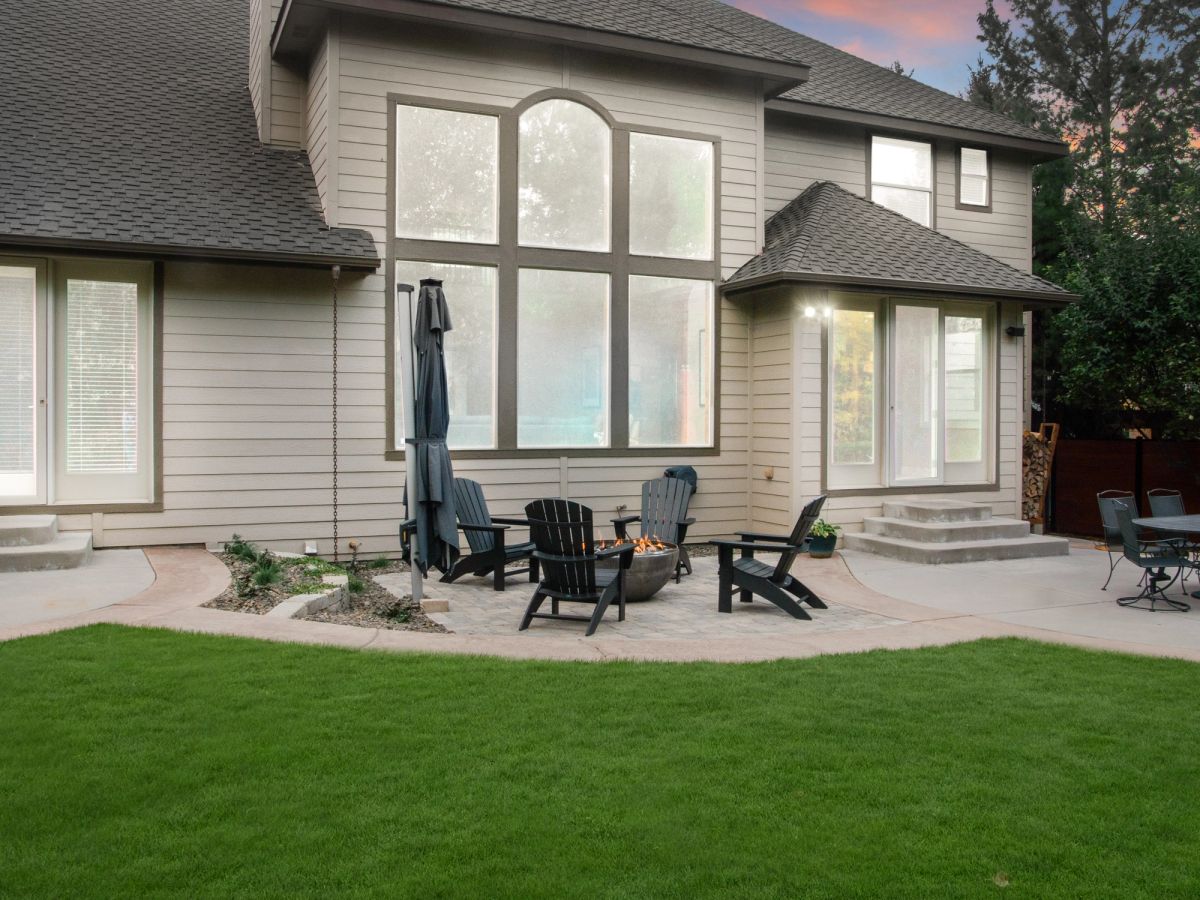
Grass seeding in Boise with real soil prep, the right seed blend and a watering plan that gets it to sprout. Schedule a consultation to find out if seed or sod fits your yard and timeline.
Grass seeding in Boise with real soil prep, the right seed blend and a watering plan that gets it to sprout. Schedule a consultation to find out if seed or sod fits your yard and timeline.
Grass seeding in Boise is the slower, lower cost way to get a lawn, and it works well when it's done at the right time on the right soil. Most people call me with a lawn that's thin, patchy or gone, or with a bare yard in a new subdivision. They want green grass without paying for sod everywhere, and they've heard seed can be hit or miss. They're right, it can. I'm Kabe Hockema, and here's how I seed lawns so the seed actually comes up.
Seed or sod?
Both make good lawns. They suit different jobs.
- Seed costs less, gives you more choice of grass type, and grows roots in your own soil from day one. It takes weeks to fill in and needs careful watering.
- Sod gives you a finished lawn the day it goes down. It costs more and still needs good soil prep under it. If you need a usable lawn fast, see my sod installation page.
- Hydroseeding sprays seed, mulch and fertilizer in a wet mix. It works well on big areas and slopes, and my hydroseeding page explains when it beats dry seed.
The best time to seed a lawn in Boise
Timing matters more with seed than almost anything else. Treasure Valley lawns are mostly cool-season grasses, which grow best when days are warm and nights are cool.
- Late summer to early fall is the best window. The soil is still warm, so seed sprouts fast, and the cooler weather that follows lets young grass grow roots before winter. Fewer weeds sprout in fall, too.
- Spring is the second choice. Seed sprouts, but the young grass then faces summer heat with short roots, and spring weeds compete hard.
- Midsummer is the hardest time. Keeping seed damp through a hot, dry, windy Boise July takes a lot of water.
One local catch: many neighborhoods water with pressurized irrigation from canals, and that water shuts off in the fall. Seed too late and the new grass can lose its water before it's ready.
Choosing grass seed for the Treasure Valley
I match the seed to sun, traffic and how much you want to water:
- Kentucky bluegrass makes the classic soft, thick lawn and spreads to fill gaps. It's slow to sprout, often two weeks or more, and likes regular water.
- Tall fescue has deep roots and handles heat and dry spells better than bluegrass. It's a good pick for lower water use.
- Perennial ryegrass sprouts in about a week. It's often mixed in so the lawn greens up fast while slower grasses catch up.
Shady spots under trees get a shade tolerant mix. Most lawns end up with a blend.
Soil prep comes first
Seed sitting on hard ground won't root. In Boise that's a real issue, because a lot of yards have heavy clay or compacted builder fill. Here's how I prep:
- Remove weeds and dead turf
- Loosen the top few inches of soil
- Work in compost or topsoil where the soil is poor
- Fill low spots and set a gentle slope away from the house (a bigger slope problem is a job for grading and resloping)
- Rake smooth and roll lightly so seed has firm, even contact with the soil
- Spread seed in two directions, then a starter fertilizer
- Cover with a thin layer of mulch or topdressing to hold moisture
For a thin lawn that's mostly healthy, overseeding can be enough. I aerate to open the soil, then spread seed into the existing grass.
Watering new seed
This is where most seeding jobs fail. New seed needs the top half inch of soil to stay damp until it sprouts. That usually means short watering two or three times a day, not one long soak. Once the grass is up and growing, you water less often and longer so the roots chase water deeper. I set a watering plan with you and adjust the sprinkler heads so the whole area gets even coverage. Mow for the first time when the grass is about 3 to 4 inches tall, and keep heavy foot traffic off until it fills in.
What affects the cost
Grass seeding in Boise is priced by:
- Square footage
- How much old turf and weeds must come out
- Soil prep and how much compost or topsoil it needs
- Grading fixes
- Seed type and blend
- Sprinkler repairs or changes
Where I seed lawns
I seed lawns in Boise, Eagle, Meridian, Nampa, Caldwell, Star, Middleton, Kuna, Garden City and Hidden Springs, plus Sun Valley and Ketchum. Seeding often goes along with new beds and plants, which my softscapes and planting page covers, and you can see the full list on my landscaper services page.
When you're ready for grass seeding in Boise that comes up thick and even, schedule a consultation or call (541) 961-7269.
More landscaper services
- Artificial turf installation
- Concrete masonry
- Desert landscaping
- Driveway landscaping
- Driveway or walkway paving
- Garden decorating
- Garden design
- Grading & resloping
- Green landscaping
- Hardscaping
- Hydroseeding
- Landscape installations
- Landscape management
- Lawn landscaping
- Outdoor step construction
- Outdoor water feature design
- Pool landscaping
- Retaining walls
- Rock landscaping
- Sod installation
- Stone landscaping
- Stone masonry
- Tree landscaping
- Walkway landscaping
- Yard drainage
- Yard grading
- Yard landscaping
Grass seeding is part of my landscaper services in Boise and is also listed under landscape designer.
Grass seeding questions
Late summer to early fall is usually best. Warm soil helps seed sprout, and the cooler weather afterward lets roots grow before winter. Spring works too, but young grass has to face summer heat and more weeds.
It depends on the grass. Perennial ryegrass often sprouts in about a week, tall fescue in one to two weeks, and Kentucky bluegrass can take two to four weeks. Most lawns are a blend, so you'll see green in patches before it fills in.
Keep the top of the soil damp until the seed sprouts, which usually means short watering a few times a day. Once the grass is up, water less often but longer. Letting new seed dry out even once can kill it.
Yes, if the lawn is thin but mostly healthy. That's called overseeding. I aerate to open up the soil, then spread seed into the existing grass so it fills the gaps.
Usually, yes, for the materials. The soil prep is about the same for both, so the gap is smaller than people expect. Seed also takes more of your time and water in the first few weeks.

Let's chat
Let's talk about your vision
If you're ready to create a space that's personal, timeless, and built to last, I'd love to hear what you're imagining. Let's start with a low-pressure conversation and see if we'd be a good fit to work together.
Schedule a Consultation