
Landscaper
Hydroseeding in Boise, Idaho
Hydroseeding in Boise, Idaho, for big lots, bare new builds and slopes that won't hold sod. It costs less than sod and holds soil in place fast. Call (541) 961-7269 to schedule a consultation.
Hydroseeding in Boise, Idaho, for big lots, bare new builds and slopes that won't hold sod. It costs less than sod and holds soil in place fast. Call (541) 961-7269 to schedule a consultation.
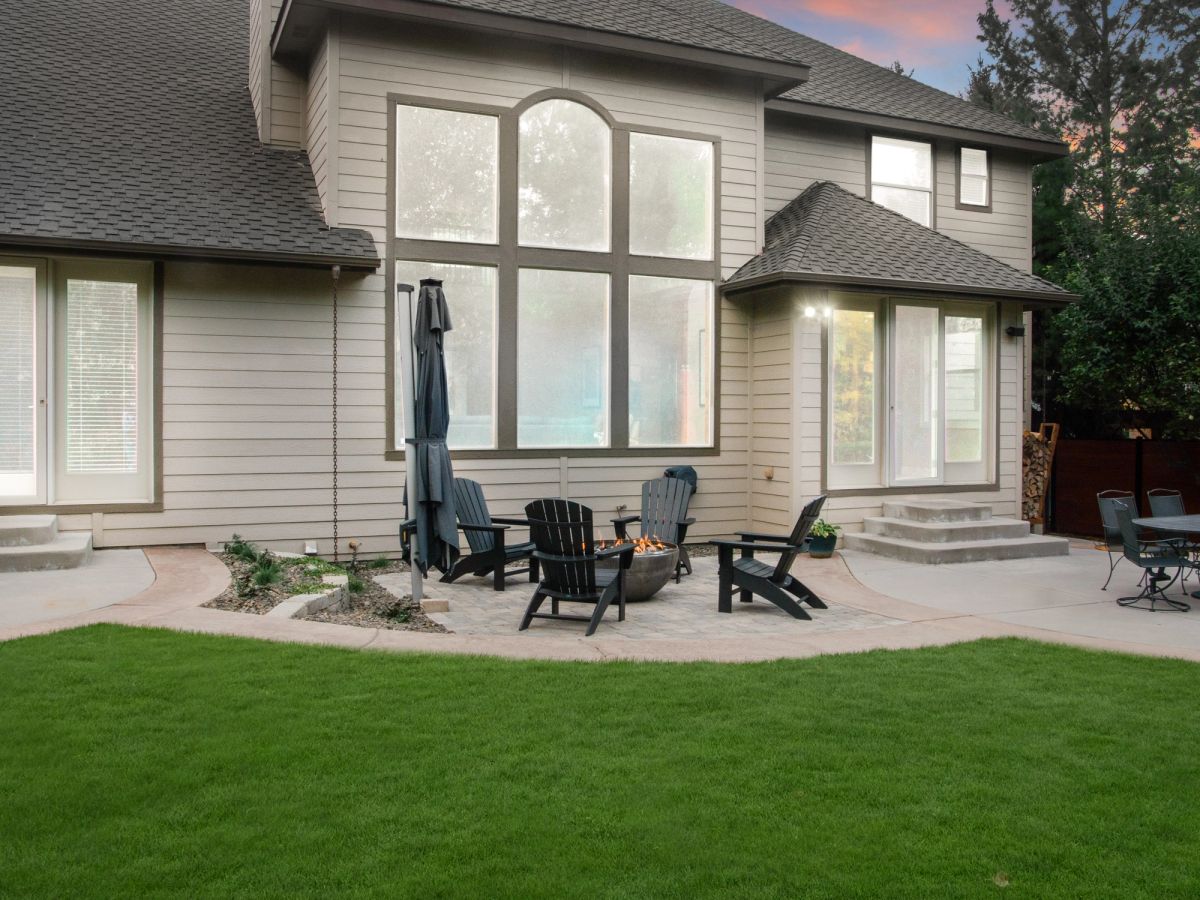
Hydroseeding in Boise is a good fit when you have a big area to cover, a slope that won't hold sod, or a budget that won't stretch to sod for the whole lot. People usually come to it with one of three problems: "We have an acre of dirt," "Our hillside keeps washing out," or "Sod for all of this costs more than we planned."
I'm Kabe Hockema. Hydroseeding is one of the ways I get grass and ground cover started as part of my landscaper work in the Treasure Valley.
What hydroseeding is
Hydroseeding sprays a wet mix onto prepared soil. The mix is called slurry. It holds seed, water, wood or paper mulch, starter fertilizer, and a tackifier, which is a sticky binder that holds everything in place on slopes and in wind. The mulch is usually dyed green so you can see where it's been sprayed. It keeps the seed damp and protected while it sprouts.
You may also hear it called hydromulching or hydraulic seeding. It's the same thing.
Hydroseed, sod or dry seed
All three can give you a good lawn. They differ in cost, speed, and where they work best.
- Sod gives you instant grass at the highest cost. It's best for smaller yards you need to use right away. See sod installation.
- Hydroseed costs much less than sod, covers large areas quickly, and holds on slopes. You wait several weeks for a lawn.
- Dry seed costs the least but leaves seed exposed to birds, wind and drying out. It works for small patches and thin lawns. See grass seeding.
For a big lot in Star, Kuna or Middleton, or a slope in the Eagle foothills, hydroseeding is often the best balance.
Getting the ground ready
Hydroseed only grows as well as the soil it lands on. The prep is the same careful work I'd do for sod:
- Clear weeds, rocks and debris. On new construction, that usually means a lot of buried builder scrap.
- Fix the grade so water runs away from the house and there are no low spots. Bigger slope problems may need grading and resloping first.
- Loosen compacted fill and work in compost where the soil is poor.
- Rake the surface smooth and firm it lightly.
- Run the sprinklers so every part of the area gets even water.
Spraying and the first weeks
The slurry goes on in an even layer. Done right, you see a solid green coat with no bare soil showing through.
After that, it's all about water. The top of the soil has to stay damp until the seed sprouts, which takes about one to three weeks depending on the grass. That means short watering cycles several times a day, not one long soak. A long soak washes seed off a slope. Once the grass is up a couple of inches, water less often and deeper. Keep off it as much as you can. The first mow comes when the grass is tall enough to cut without pulling it out, often a month or more after seeding. Expect a few thin spots. A light overseed after the first season fills them in.
Timing in the Treasure Valley
Cool-season grasses like Kentucky bluegrass and tall fescue sprout best when the soil is mild, not cold and not baking. Here, that means spring after the hard frosts are done, and late summer into early fall. Early fall is often the best window. The grass gets weeks of mild weather to root before winter, and fewer weeds come up with it. Seeding in July heat and wind is hard. The slurry dries fast, and you'll use a lot of water keeping it alive.
Slopes, erosion and native mixes
Hydroseeding is one of the best tools for erosion control. The mulch and tackifier hold soil in place right away, before any roots grow. On foothill slopes or banks where a lawn makes no sense, the same method can lay down a native or low-water grass and wildflower mix instead of turf. That fits well with xeriscaping on the rest of the property. If a slope is too steep to hold seed at all, a retaining wall or terraces may be needed to break it up.
What changes the price of hydroseeding
Area and prep drive most of the cost. Larger areas cost less per square foot. Clearing weeds, hauling debris, regrading, adding compost and repairing sprinklers all add to the job. The seed mix matters too, since a native slope mix is priced differently from a standard lawn blend. Steep or hard-to-reach areas take more time. I'll look at the site and give you a clear number.
Where I hydroseed
I do hydroseeding in Boise, Eagle, Meridian, Star, Kuna, Middleton, Nampa, Caldwell, Garden City and Hidden Springs. Larger lots on the edges of the valley are where it saves the most over sod.
If you have a big bare yard or a slope that needs cover, hydroseeding in Boise may be the right answer. Schedule a consultation or call me at (541) 961-7269.
More landscaper services
- Artificial turf installation
- Concrete masonry
- Desert landscaping
- Driveway landscaping
- Driveway or walkway paving
- Garden decorating
- Garden design
- Grading & resloping
- Grass seeding
- Green landscaping
- Hardscaping
- Landscape installations
- Landscape management
- Lawn landscaping
- Outdoor step construction
- Outdoor water feature design
- Pool landscaping
- Retaining walls
- Rock landscaping
- Sod installation
- Stone landscaping
- Stone masonry
- Tree landscaping
- Walkway landscaping
- Yard drainage
- Yard grading
- Yard landscaping
Hydroseeding is part of my landscaper services in Boise.
Hydroseeding questions
You'll usually see green sprouts in one to three weeks. Most lawns are thick enough to mow in about a month or more, and fill in fully over the first season. Bluegrass is slower to start than fescue.
Yes, usually by a wide margin, especially on large areas. The soil prep costs about the same either way, so the savings come from the seed and mulch costing much less than rolls of sod. The tradeoff is waiting several weeks for a usable lawn.
The tackifier in the mix helps hold seed and mulch in place, so a normal rain is fine and even helps. A heavy storm on a steep slope can wash some out. Thin or bare spots can be touched up once things dry.
The dye lets you see exactly where the slurry has gone, so coverage is even and no spots are missed. It fades within a few days of sun and water. The green you see after that is the grass coming in.

Let's chat
Let's talk about your vision
If you're ready to create a space that's personal, timeless, and built to last, I'd love to hear what you're imagining. Let's start with a low-pressure conversation and see if we'd be a good fit to work together.
Schedule a Consultation