
Landscaper
Sod installation in Boise, Idaho
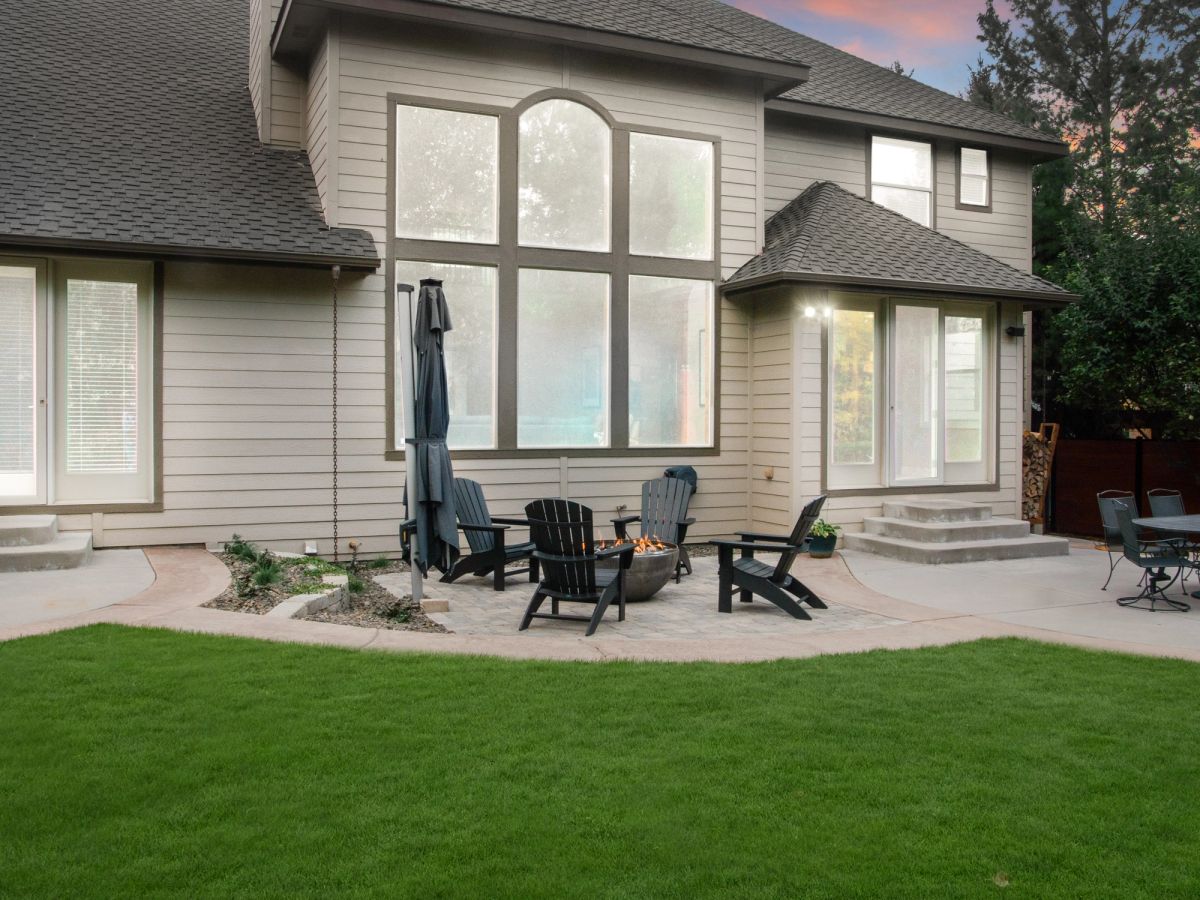
Sod installation in Boise, Idaho, laid on soil that's ready for roots. I clear, grade and amend the ground before a single piece goes down. Call (541) 961-7269 to schedule a consultation.
Sod installation in Boise, Idaho, laid on soil that's ready for roots. I clear, grade and amend the ground before a single piece goes down. Call (541) 961-7269 to schedule a consultation.
Sod installation in Boise tends to go wrong in the same place: the dirt under it. People call because their new sod turned brown at the seams, lifts like a rug, or has a low spot by the patio that holds water. The grass was fine when it arrived. The ground it was laid on wasn't ready.
I'm Kabe Hockema. Laying sod is part of the landscaper work I do, and I treat it as soil work first and grass work second. When I install new sod, most of the time goes into what's underneath.
When new sod is the right call
Sod gives you a finished lawn in a day. It makes sense when:
- You have a new build and the yard is bare dirt and builder fill.
- Your old lawn is more weeds than grass, and you want a clean start.
- You need the yard usable soon, for kids, dogs, or listing the house.
- A bare area is eroding or blowing dust and needs cover now.
If you have a large lot and can wait a few weeks for grass, hydroseeding or grass seeding may cost less. I'll tell you honestly which one fits.
What I do before the sod shows up
- Clear the area. Old turf, rocks, roots and construction debris come out. On new builds it's common to find concrete chunks, wire and gravel just under the surface.
- Check the grade. The ground should slope away from the house so water doesn't run toward the foundation. If it doesn't, now is the time to fix it. Bigger problems may call for yard grading.
- Loosen compacted soil. Builder fill in new subdivisions is often packed so hard that roots can't get in. Tilling breaks it up.
- Add organic matter. Treasure Valley soil tends to be clay and alkaline. Clay holds water, then bakes hard in summer. Tilling compost into the top several inches helps roots grow deep and helps water soak in instead of running off.
- Fine grade and roll. I rake the surface smooth and set it about an inch below sidewalks and edging, so the finished sod sits flush.
- Check the sprinklers. I run each zone and look for dry spots before the sod goes down. Corners that don't get water are the first to die.
Laying sod, piece by piece
Sod is alive, and it starts drying out the moment it's cut at the farm. I plan delivery for the day of the install and lay it right away. Pieces go down in a staggered pattern, like bricks in a wall, with the seams pushed tight. Short seams that line up in a row are where gaps open. I cut pieces to fit curves and edges cleanly instead of stretching them. Then I roll the whole lawn so the roots touch the soil everywhere, and it gets a deep first watering.
The first few weeks
This part is on you, and it's where a lot of lawns are won or lost. Plan on watering every day, often more than once, for the first couple of weeks. The soil under the sod should stay damp. Lift a corner to check. Once the roots grab and the sod won't pull up, water less often and deeper so the roots chase the water down. Stay off it as much as you can until then. The first mow comes when the roots have knit, and you should only cut the top third of the blade. I'll walk you through all of this when the job is done.
The best time for new sod in the Treasure Valley
Spring and early fall are the easiest seasons. Cool air lets the grass put its energy into roots. Summer sod can work, but our July heat, dry air and afternoon wind pull water out fast. Sod laid during a hot spell needs a lot more water and attention. Late fall is fine as long as the ground isn't frozen. Most sod grown for our area is a Kentucky bluegrass blend, sometimes mixed with tall fescue, which handles heat and dry spells a little better.
What sets the price of sod installation
Square footage is where it starts, but prep drives most of the cost. A clear, level yard with decent soil costs less than one that needs old lawn stripped, fill hauled out, regrading, or new topsoil brought in. Sprinkler repairs add to it. So does access. If equipment can't get into the backyard, more of the work is done by hand. At the consultation I'll look at the soil and give you a clear price.
Sod and the rest of the yard
A lawn shares space with patios, beds and trees. I plan where the grass ends and planting begins so mowing is easy and sprinklers don't spray the house. Curved bed lines should be smooth enough to mow along in one pass. If you're redoing beds at the same time, see my planting work. Some people also want less lawn overall, and that's worth talking through as part of lawn landscaping.
Sod company in Boise and nearby
I handle laying sod in Boise, Meridian, Eagle, Star, Kuna, Nampa, Caldwell, Middleton, Garden City and Hidden Springs. Since I take a limited number of projects each season, I'm there for the prep and the install myself.
If you want sod installation in Boise that roots in and stays green, it starts with the ground. Schedule a consultation and I'll come look at your yard, or call me at (541) 961-7269.
More landscaper services
- Artificial turf installation
- Concrete masonry
- Desert landscaping
- Driveway landscaping
- Driveway or walkway paving
- Garden decorating
- Garden design
- Grading & resloping
- Grass seeding
- Green landscaping
- Hardscaping
- Hydroseeding
- Landscape installations
- Landscape management
- Lawn landscaping
- Outdoor step construction
- Outdoor water feature design
- Pool landscaping
- Retaining walls
- Rock landscaping
- Stone landscaping
- Stone masonry
- Tree landscaping
- Walkway landscaping
- Yard drainage
- Yard grading
- Yard landscaping
Sod installation is part of my landscaper services in Boise and is also listed under landscape designer.
Sod installation questions
Keep foot traffic light for the first two weeks or so, while the roots grab the soil. A gentle tug on a corner tells you: if it lifts, stay off. Once it holds, normal use is fine.
Yes. Laying new sod over old grass and weeds leaves a layer the new roots can't get through, and the old weeds come right back up. The old turf gets stripped, then the soil underneath is loosened and amended.
It can, but it's harder. Our summer heat and wind dry new sod out fast, so you'll need to water more often and watch it closely. Spring and early fall are easier on the grass and on your water bill.
Edges and seams dry out first. Usually a sprinkler isn't reaching that spot, or the sod sits on hot concrete or edging. Check coverage and give those areas extra water by hand until the roots take hold.
Most sod in the Treasure Valley is a Kentucky bluegrass blend, sometimes with tall fescue mixed in. Bluegrass makes a soft, dense lawn. Fescue roots deeper and handles heat and dry spells a bit better, so the right mix depends on your sun and how you use the yard.

Let's chat
Let's talk about your vision
If you're ready to create a space that's personal, timeless, and built to last, I'd love to hear what you're imagining. Let's start with a low-pressure conversation and see if we'd be a good fit to work together.
Schedule a Consultation