

Softscapes
Xeriscapes that still look alive in August
Water-efficient landscape design and installation for Boise, Eagle, Meridian and the rest of the Treasure Valley.
Water-efficient landscape design and installation for Boise, Eagle, Meridian and the rest of the Treasure Valley.
Low water doesn't mean gravel and cactus
What xeriscaping actually is, how I design one for Treasure Valley conditions, and the plants that make it work.
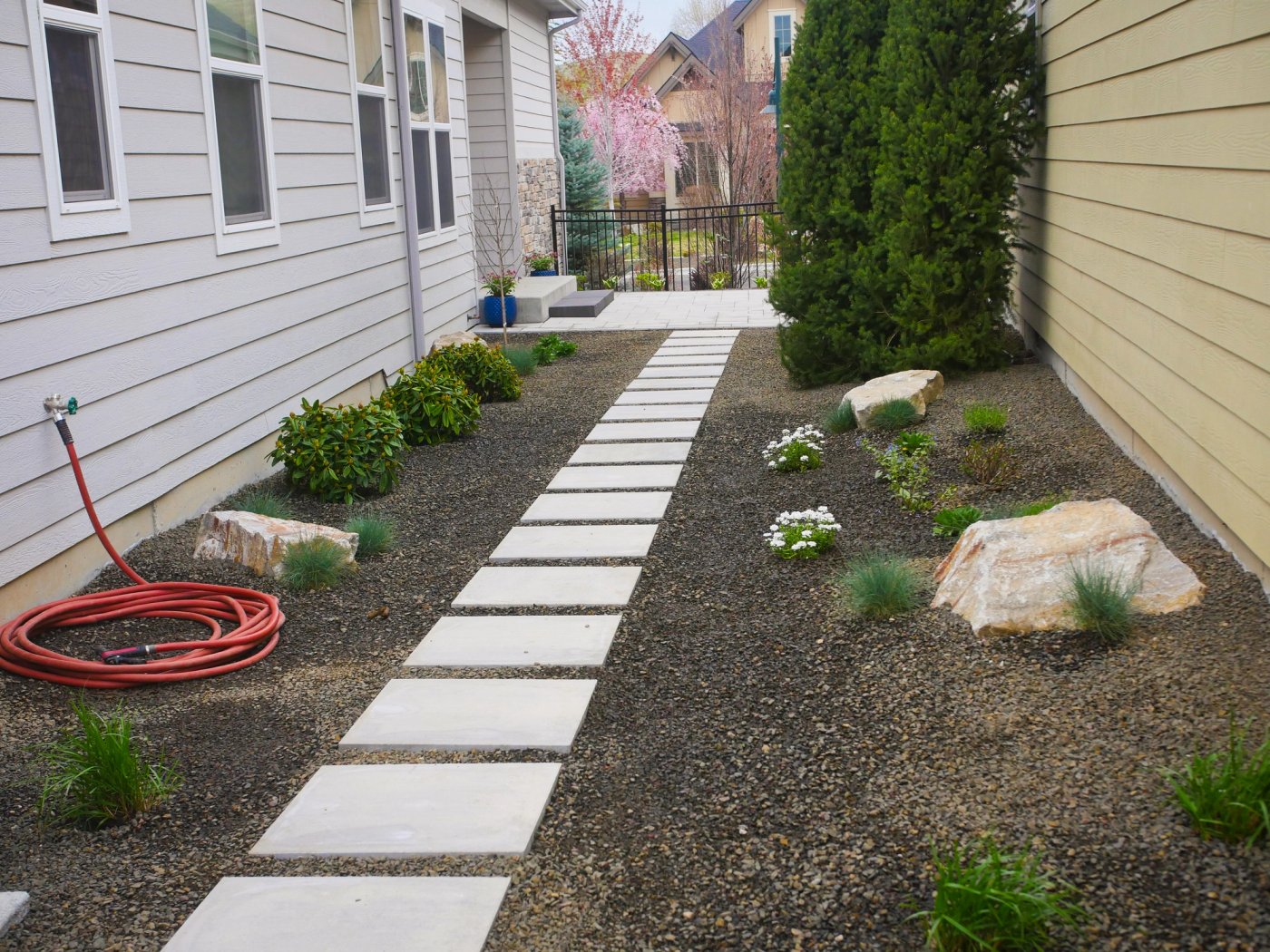
Say "xeriscape" and most people picture rock, cactus and a yard that looks like a highway median. Done well, a xeriscape in Boise looks lush and deliberate, just without the water bill a bluegrass lawn runs up. With the valley averaging about 12 inches of rain a year and weeks above 95°F every summer, water-efficient design isn't a trend here. It's the practical way to build a landscape that still looks good in August, when a traditional lawn is brown and stressed.
What xeriscaping actually means
Xeriscape is a design approach, not a look. It's built on seven principles:
- Thoughtful planning and design
- Soil improvement
- Efficient irrigation
- Appropriate plant selection
- Mulching
- Practical turf areas
- Ongoing maintenance
How I design a xeriscape
Hydrozoning
I group plants by how much water they need and put each group on its own irrigation zone. It's one of the highest-impact changes you can make to any Boise landscape, because the thirsty plants get what they need without drowning the ones that don't. Our guide to irrigation systems for Boise landscapes explains how zones are laid out.
Keep lawn where you use it
Kentucky bluegrass is one of the thirstiest things in a Treasure Valley yard. Xeriscaping doesn't mean ripping out every blade. It means keeping turf where kids and dogs actually use it, and replacing the rest (the strip by the sidewalk, the slope nobody walks on, the side yard) with planting beds, low-water ground covers, gravel or decomposed granite.
Drip irrigation and smart control
Drip delivers water straight to the root zone, without the evaporation and overspray of spray heads. Paired with a smart controller that adjusts to the weather, it uses far less water than a conventional system. More on that in how to cut irrigation water use in Boise.
Mulch
Three inches of wood chip or gravel mulch over planting beds cuts evaporation dramatically. In established Boise beds, it can reduce how often you need to water by 30 to 50 percent, while also keeping soil temperatures steadier and holding back weeds. Our guide to mulch and ground cover for Boise yards covers which to use where.
Soil
Treasure Valley soils run alkaline, and many lots have compacted fill left over from construction. I choose plants that want the soil we have and amend where it actually helps, rather than fighting the ground with chemicals every year. Our article on Boise soil conditions explains what you're likely working with.
Keep the lawn where you actually use it. Plant the rest with things that want to grow here.
Plants that thrive in the Treasure Valley
The best xeriscape plants want what Boise offers: alkaline soil, summer heat and dry air. A few I rely on:
- Shrubs: bitterbrush, rubber rabbitbrush, serviceberry, Apache plume and Russian sage
- Perennials: native penstemon, blanketflower, yarrow and catmint
- Grasses: Idaho fescue and bluebunch wheatgrass
- Ground covers: kinnikinnick and snow-in-summer
- Shade trees: hackberry, thornless honeylocust and bur oak
Natives also feed the bees, butterflies and hummingbirds that evolved with them. For specifics, see our guides to native plants for Boise landscaping and drought-resistant plants for Boise yards.
Establishment: the part people skip
"Drought-tolerant" almost always means drought-tolerant once established. Most shrubs and perennials need regular water through their first full growing season, and trees need two to three years before their roots can handle a Boise summer alone. Cut the water too early and you lose plants. The drip system I install is set up for that establishment period, then dialed back as the planting matures.
Looking intentional, not abandoned
The difference between a xeriscape that looks designed and one that looks neglected is structure: clean bed edges, deliberate spacing, boulders set like they belong, and paths or stepping pads that tell you where to walk. That's where xeriscaping overlaps with the rest of my planting work and with hardscapes like walkways and low walls.
Why water use matters here
With only about 12 inches of rain a year, nearly every green thing in a Treasure Valley yard in July is there because someone is watering it. Lawns take the most. Depending on where you live, that water comes from a city utility, a well or a pressurized irrigation system fed by canals, and each has its limits. In dry years, water scarcity shows up as shorter irrigation seasons and watering restrictions, and on city water it shows up as summer water bills.
A xeriscape is water conservation built into the design instead of something you have to remember. Less turf, the right plant species, drip irrigation and mulch together cut water use and water waste from overspray and runoff. It's a practical form of sustainability: better for the environment, and less money and time spent on lawn care.
Converting a lawn to xeriscape
Most of my xeriscaping projects start with an existing lawn. The conversion follows a predictable order:
- Decide what grass stays. A play area, a dog run or a strip of lawn for the kids often stays. Everything else is up for redesign.
- Remove the turf properly. Sod is cut out, roots and all. Bluegrass that's only buried under rock or fabric will find its way back up.
- Fix the grading. Removing a lawn is the best chance to make sure water drains away from the house and that beds and paths are shaped the way you want.
- Convert the irrigation. Spray zones that watered lawn are capped or converted to drip, and lawn zones that remain get adjusted for even coverage.
- Amend, plant and mulch. Soil gets improved where plants need it, plants go in by hydrozone, and mulch goes on right away.
Rocks, gravel or wood mulch
Ground cover choice changes how a xeriscape looks, how hot it gets and how well plants grow. Wood chip mulch is usually the best choice around plants. It holds soil moisture, improves water retention as it breaks down, keeps roots cooler and feeds the soil. Gravel and decomposed granite work well for paths, seating areas, narrow side yards and along foundations where you don't want wood against the house. Larger rocks and boulders add structure and help hold slopes.
The thing to avoid is wall-to-wall rock in full sun. Rock absorbs heat and radiates it back at plants and the house, and a sea of gravel is what gives xeriscaping its bad reputation. Most of the best designs use both: wood mulch in planting beds and gravel where people walk. Our guide to mulch and ground cover for Boise yards compares the options.
Keeping weeds under control
Weeds are the biggest complaint about poorly built xeriscapes, and most of the fix happens before planting. Existing weeds and turf need to be removed completely, not covered. A thick layer of mulch blocks light from weed seeds in the soil. Drip irrigation helps too, because it waters the plants you want instead of the bare ground between them, which cuts down on weed growth.
Landscape fabric is less helpful than people think. Under gravel paths, it keeps rock from mixing into the soil. Under planting beds, it blocks the mulch from feeding the soil and weeds end up rooting in the dirt that settles on top. Expect some weeding in the first two seasons while plants fill in. Once they cover the ground, there's much less room for weeds.
Slopes, erosion and dry creek beds
Sloped yards are where xeriscaping really pays off. Mowing a slope is unpleasant, and sprinklers on a hillside run off before the water soaks in. Deep-rooted native grasses and shrubs hold soil in place and prevent soil erosion, boulders break up the slope, and a dry creek bed lined with river rock gives storm runoff a place to go that looks like part of the design. Steeper grades may need retaining walls to create level planting terraces.
Shade and trees
A xeriscape still needs shade. Trees cool the ground, reduce evaporation from the beds below them and shade the house on summer afternoons. Drought-adapted shade trees take some water while they establish, then much less once their roots are deep. Planting them on the south and west sides of the house gives the most benefit. More in our guide to choosing trees for a Boise landscape.
Pollinators, wildlife and color through the seasons
A well-designed xeriscape has more life in it than a lawn. Native species like sagebrush, rabbitbrush, penstemon and yarrow feed pollinators and give birds cover and seed. I plan the planting so something is happening in every season: spring bulbs and early penstemon, summer yarrow and blanketflower, fall color from rabbitbrush and grasses, and winter structure from evergreen shrubs and seed heads left standing. Our article on native plants for pollinators has more plant ideas.
What maintenance looks like
Xeriscaping isn't no maintenance, but the work is lighter and less frequent. There's no weekly mowing or fertilizing for the beds. Instead, the routine is seasonal:
- Early spring: cut back perennials and grasses, check the drip system for leaks and clogged emitters, and adjust the controller.
- Summer: pull the occasional weed and watch for plants that look stressed during the hottest stretches.
- Fall: light pruning of shrubs, top up mulch where it's thin, and blow out the irrigation before the first hard freeze.
Costs, savings and curb appeal
A xeriscape usually costs more to install than laying new sod, because of turf removal, irrigation conversion, plants, boulders and mulch. The savings come afterward: lower water bills on city water, less time and money on mowing and fertilizer, and fewer replacement plants because the ones you have are suited to the site. Mulch alone can cut watering by 30 to 50 percent. For broader budget numbers, see how much landscaping costs in Boise.
Front yards are where xeriscaping makes the biggest difference to curb appeal. A designed front yard with layered plants, a clean path and a few boulders stands out on a street of identical lawns, and it looks good in August when the lawns next door are browning out. If you're in an HOA, I can help put together a plan to submit for approval.
Hockema Landscape Design & Build is an Idaho licensed contractor (license 6871843), bonded and insured, with 15 years of experience designing and building landscapes across the Treasure Valley.
Xeriscaping questions
Not in Boise's climate. Most xeriscapes still use some irrigation, especially while plants establish and during long stretches of summer heat. The goal is much less water through smarter plant choices and irrigation design, not zero water.
No. Keep turf where you actually use it, like a play area or a spot for the dog, and replace the areas nobody walks on with planting beds, ground covers or gravel. For most yards, partial turf reduction gets the biggest water savings for the least disruption.
Plan on one full growing season of regular watering for most shrubs and perennials, and two to three years for trees. After that, many plants can get by on Boise's natural rainfall plus occasional deep watering in peak heat.
Only if that's what you want. A well-designed xeriscape uses flowering shrubs, perennials, grasses and shade trees, with mulch and clean edges holding it together. It should look fuller in July and August than a stressed bluegrass lawn does.
It depends on how much lawn you replace and how the old system was watering. Removing turf, switching beds to drip irrigation and adding mulch all reduce water use, and mulch alone can cut watering by 30 to 50 percent. Once plants are established, a well-designed xeriscape uses a fraction of what a lawn does.
Not to install. Turf removal, irrigation changes, plants and mulch usually cost more than new sod. It's cheaper to own: lower water bills, no weekly mowing, little fertilizer and less overall lawn care.
Usually both. Wood mulch is better in planting beds because it holds moisture and builds the soil. Gravel and rock work best for paths, seating areas and along the house. Large areas of rock in full sun get hot and stress the plants around them.
Often, yes. Many HOAs allow water-wise landscaping as long as the plan is submitted and approved first. A drawn plan showing plants, materials and how much lawn remains usually makes approval easier.
Portfolio
Recent Projects
Landscapes we've designed and built across the Treasure Valley.


Let's chat
Ready to use less water?
Tell me which parts of the yard you use and which you just water. I'll show you where turf can go, what can replace it, and how the irrigation should change.
Schedule a Consultation