Landscaper
Green landscaping in Boise, Idaho
Green landscaping in Boise, Idaho, that uses less water and fewer chemicals and still looks full. Call (541) 961-7269 to schedule a consultation and plan a yard that fits our climate.
Green landscaping in Boise, Idaho, that uses less water and fewer chemicals and still looks full. Call (541) 961-7269 to schedule a consultation and plan a yard that fits our climate.
Green landscaping in Boise starts with a question a lot of homeowners have: "How do I keep a yard that looks good without pouring water and chemicals on it all summer?" Our summers are hot and dry. Watering rules and costs keep changing. And plenty of people just want a yard that works with the land here instead of fighting it.
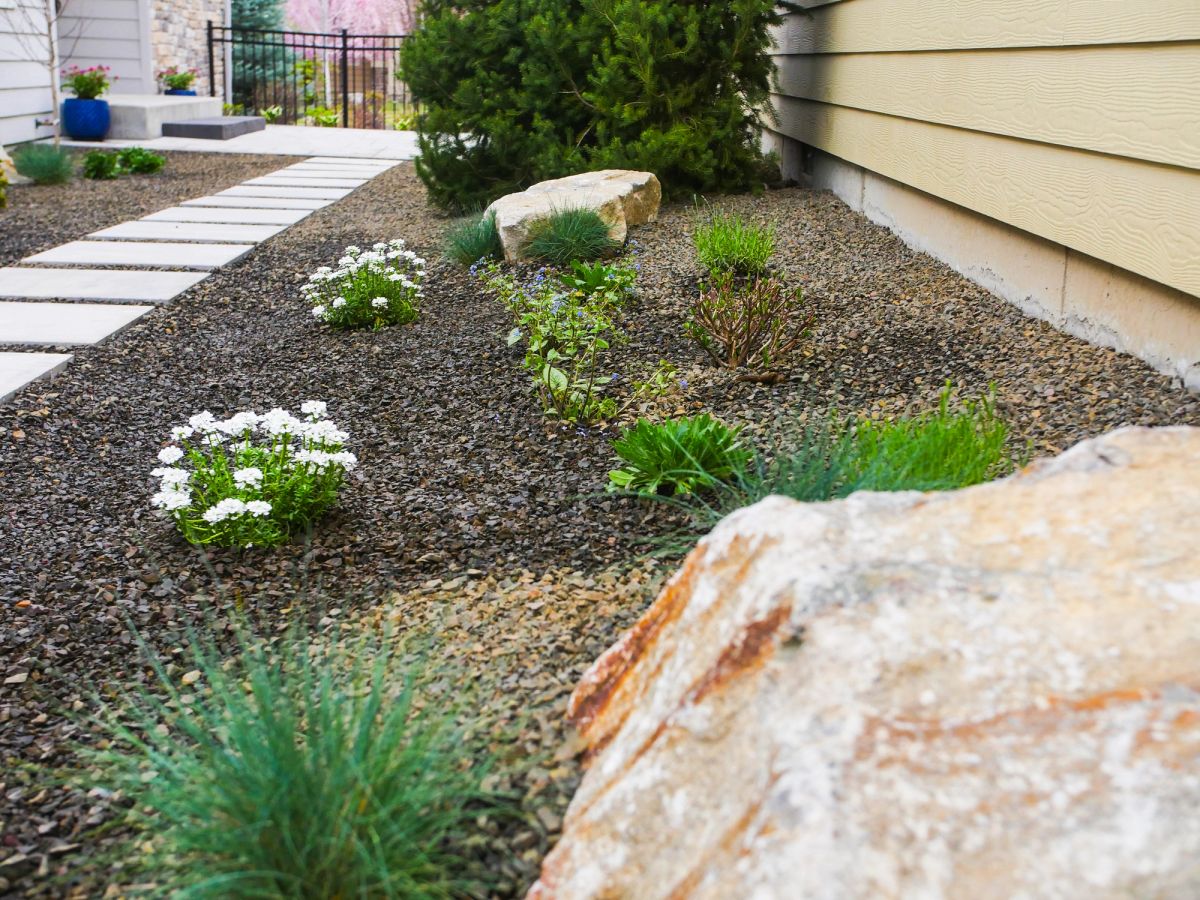
I'm Kabe Hockema. Green landscaping is part of the landscaper work I do. To me it means a landscape that uses less water, needs fewer inputs like fertilizer, weed spray and gas for the mower, gives bees and birds something to eat, and handles rain where it falls. It doesn't mean ripping everything out and putting down gravel.
Green landscaping is not the same as rock
Some people hear "water-wise" and think of a yard full of rock and a couple of cactus. That's one style, and I cover it on my desert landscaping page. But a green landscape here usually has plenty of plants, some shade, and often a smaller lawn where it gets used. A yard that's all rock can make the area around your house hotter, because stone soaks up sun all day and gives the heat back at night. Plants cool things down.
Using less water without losing the yard
Water is the biggest piece. Most of the savings come from a few changes:
- A smaller lawn, in the right spot. Keep grass where you play and walk, and trade the strips and corners nobody uses for planting beds. That's the idea behind turf reduction.
- Drip irrigation in beds. Drip puts water at the roots with little lost to wind and evaporation. Spray heads on shrub beds waste a lot, especially on windy afternoons.
- Weather-based controllers. These adjust run times as the weather changes, so the system isn't running a July schedule in October.
- Grouping plants by water need. Thirsty plants together, dry plants together, each on its own zone.
- Mulch. A few inches of wood or rock mulch keeps soil cool and slows evaporation.
For a fully low-water design, see my xeriscaping page. Xeriscaping means landscaping planned from the start around low water use.
Plants that belong in the Treasure Valley
Native and adapted plants handle our clay and alkaline soil, cold winters and dry summers without much help. Sagebrush, penstemon, rabbitbrush, yarrow, blanket flower and many ornamental grasses are good examples, and a lot of them feed bees and butterflies. I also use non-native plants with a long track record here. Once they settle in, usually after a season or two, these plants need far less water than a lawn.
Trees matter too. A shade tree on the west or south side of the house cools both the house and the yard. Tree landscaping is worth planning early, since trees take years to fill out.
Soil, compost and fewer chemicals
Healthy soil does a lot of the work. Compost worked into clay helps water soak in and lets roots go deeper, which means less watering. Plants that suit the site get fewer pests and diseases, so there's less to spray. A mix of plants, instead of rows of one kind, keeps a pest problem from spreading through the whole bed. I'd rather pick the right plant than plan to treat the wrong one.
Letting rain soak in
In most yards, rain and snowmelt run off the roof and paving and out to the street. A green landscape slows that water down and lets it soak into the ground. A few ways to do it:
- Permeable pavers, which have gaps filled with gravel so water drains through the surface.
- Gravel paths instead of solid concrete where it makes sense.
- Rain gardens, shallow planted low spots that catch roof water and let it soak in.
- Dry creek beds that carry storm water and still look good when dry.
Where artificial turf fits
People ask about synthetic grass. It uses no water and needs no mowing, and for some spots, like a dog run or a shady strip where grass won't grow, it can make sense. It also gets very hot in our summer sun and doesn't support bees or birds. I'll give you both sides. If it's right for part of your yard, see artificial turf installation.
Cost, phases and long-term upkeep
The size of the area, how much lawn comes out, how much soil prep is needed, and irrigation changes drive most of the cost. Converting spray zones to drip takes time. Plant size matters too: smaller plants cost less and often settle in faster. Many projects work well in phases, starting with the front yard or the thirstiest areas. Over time, a green landscape usually needs less water and less mowing than a yard that's mostly lawn.
Green landscaping across the valley
I design and build green landscapes in Boise, Eagle, Meridian, Garden City, Star, Kuna, Nampa, Caldwell, Middleton and Hidden Springs. Sun Valley and Ketchum have a shorter season and colder winters, so I plan plant lists to match when I work up there.
If you want green landscaping in Boise that looks good and uses less, schedule a consultation. Call (541) 961-7269 to talk with me directly.
More landscaper services
- Artificial turf installation
- Concrete masonry
- Desert landscaping
- Driveway landscaping
- Driveway or walkway paving
- Garden decorating
- Garden design
- Grading & resloping
- Grass seeding
- Hardscaping
- Hydroseeding
- Landscape installations
- Landscape management
- Lawn landscaping
- Outdoor step construction
- Outdoor water feature design
- Pool landscaping
- Retaining walls
- Rock landscaping
- Sod installation
- Stone landscaping
- Stone masonry
- Tree landscaping
- Walkway landscaping
- Yard drainage
- Yard grading
- Yard landscaping
Green landscaping is part of my landscaper services in Boise.
Green landscaping questions
Xeriscaping focuses on cutting water use. Green landscaping includes that, and also covers soil health, fewer chemicals, plants for bees and birds, and letting rain soak in. Most green landscapes in Boise use a lot of xeriscaping ideas.
Not if it's planned well. Native and adapted plants stay green and bloom through our summers on far less water than a lawn. The key is grouping plants by water need and giving them a season or two to root in.
Keep the grass you actually use for play, pets or sitting out. Narrow strips, steep spots and corners nobody walks on are the first places to swap for planting. Many yards keep a smaller, healthier lawn and lose the parts that were hard to water anyway.
Yes. Many people start with the front yard or the area that uses the most water, then add more in later seasons. A plan for the whole yard up front keeps each phase fitting with the next.

Let's chat
Let's talk about your vision
If you're ready to create a space that's personal, timeless, and built to last, I'd love to hear what you're imagining. Let's start with a low-pressure conversation and see if we'd be a good fit to work together.
Schedule a Consultation