Pond contractor
Wildlife pond creation in Boise, Idaho
Wildlife pond creation in Boise, Idaho, for birds, frogs, dragonflies and pollinators. Schedule a consultation and I'll design a pond that gives local wildlife water, food and cover.
Wildlife pond creation in Boise, Idaho, for birds, frogs, dragonflies and pollinators. Schedule a consultation and I'll design a pond that gives local wildlife water, food and cover.
If your bird bath is dry by noon and you'd like to see more birds, butterflies and dragonflies (and maybe hear frogs at night), wildlife pond creation in Boise gives local animals what our dry summers don't: steady, clean water with plants and cover around it.
A wildlife pond is built for animals first and people second. It still looks good, but the shape, edges and plants are chosen so birds can bathe, frogs can climb in and out, and insects can lay eggs. I build with Aquascape components and the ecosystem approach. Rock, gravel, plants and good bacteria keep the water clean, so there's no need for chemicals that would harm the animals you're trying to bring in.
What animals need from a pond
- A shallow, gentle edge. Birds won't wade into deep water, and frogs and toads need an easy way in and out.
- Cover. Tall plants at the edge give birds and frogs a place to duck out of sight.
- Clean, moving water. A small waterfall or stream adds oxygen, and the sound draws birds from a distance.
- No sprays. Algae treatments and lawn chemicals near the pond can harm frogs and insects.
- Some depth. A deeper zone stays cooler in summer and doesn't freeze solid in winter.
Beach edges and planting shelves
The biggest difference between a wildlife pond and a regular garden pond is the edge. Instead of steep sides all around, I build at least one side as a gravel beach that slopes slowly into the water. Birds stand there to drink and bathe. Bees and butterflies land on the wet stones to sip. Young frogs crawl out there.
From the beach, the pond steps down in shelves. The top shelf holds marsh plants in a few inches of water. The middle shelf holds water lilies. The deep zone stays mostly open.
Plants that feed and shelter
Plants make the habitat. I layer them from the water outward:
- Water lilies and other floating plants to shade the water
- Rushes, sedges and iris in the shallows
- Moisture-loving plants right at the edge
- Flowering perennials and shrubs that handle dry ground a few feet back
Our water and soil are alkaline, and the ground away from the pond dries hard by July. I choose plants that handle both. My aquatic plant installation page covers the in-water plants. For the dry ground around the pond, low-water planting from my xeriscaping work fits well.
Fish or no fish
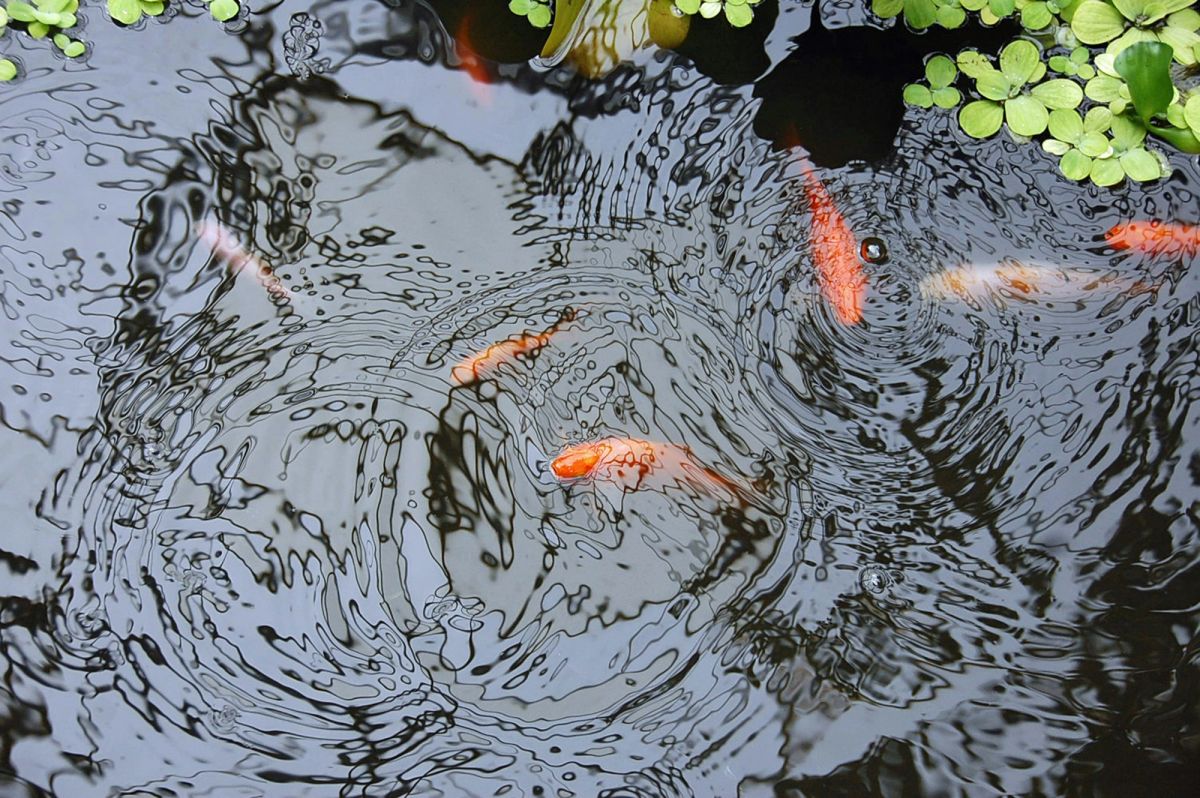
This is a real choice. Fish eat tadpoles and insect larvae. If frogs and dragonflies are the goal, I suggest few or no fish. If you want fish too, I build in more depth and thicker plantings so tadpoles have places to hide.
Mosquitoes, herons and raccoons
People worry a wildlife pond will breed mosquitoes. A waterfall or bubbler keeps the surface moving, and dragonfly larvae, frogs and birds all eat mosquito larvae. A balanced pond usually has fewer mosquitoes than a forgotten bucket.
You'll also get visitors you didn't invite. Herons and raccoons turn up all over the Treasure Valley, especially near the river and canals. In a pond built for wildlife, that's mostly part of the fun. If you keep fish, deep water and overhanging rock give them somewhere to hide.
How I build a wildlife pond
- I walk the yard with you and find a spot with some sun, some shade and a view from the house
- I dig the beach, shelves and deep zone, keeping the pond away from where lawn runoff collects
- I lay underlayment and a fish-safe liner, then cover it with rock and gravel so animals have grip
- I set a small waterfall or stream for sound and oxygen
- I plant in layers, fill the pond and let it settle
A wildlife pond takes a season to come alive. The plants fill in, the insects show up, and then the birds follow.
Wildlife ponds and the rest of your yard
A wildlife pond pairs well with a natural-looking yard: native grasses, boulders and low-water beds. If you want a pond with no visible edge at all, one that looks like it formed on its own, see natural pond construction. If clear water with less upkeep is your top goal, ecosystem pond installation explains how the filter system works. You can see all my pond services on the pond contractor page.
Cost of a wildlife pond
Size, depth, the amount of rock and gravel, the number of plants, the length of any stream and how hard it is to reach your backyard all change the price. A wildlife pond often needs more plants than a typical garden pond, and less spent on fish gear. I'll give you real numbers once I've seen the site.
Wildlife ponds around the Treasure Valley
I build wildlife ponds in Boise, Eagle, Hidden Springs, Garden City, Meridian, Star, Kuna, Nampa, Caldwell and Middleton, and in Sun Valley and Ketchum.
If wildlife pond creation in Boise sounds right for your yard, schedule a consultation. I'll walk the property with you and sketch a pond the birds will find on their own.
More pond contractor services
- Aquatic plant installation
- Backyard pond installation
- Biofiltered pond installation
- Custom pond design
- Ecosystem pond installation
- Fish pond design
- Koi pond installation
- Koi ponds
- Natural pond construction
- Pond cleaning
- Pond construction
- Pond dredging
- Pond excavation
- Pond filtration system installation
- Pond fountain installation
- Pond leak repair
- Pond lighting installation
- Pond liner replacement
- Pond maintenance
- Pond pump installation
- Pond relining
- Pond repair
- Pond water circulation system
- Pond winterization
- Pondless waterfall installation
- Small garden pond installation
- Water feature installation
- Waterfall installation
Wildlife pond creation is part of my pond contractor services in Boise.
Wildlife pond creation questions
Songbirds, dragonflies, damselflies, bees and butterflies usually show up first. Frogs often find their way to a pond on their own. Herons and raccoons may visit too, especially if you keep fish.
A pond with moving water and a healthy mix of plants and predators rarely has a mosquito problem. The waterfall keeps the surface stirred, and dragonfly larvae and frogs eat mosquito larvae. Still, forgotten water like buckets and clogged gutters is a bigger source.
It depends on your goal. Fish eat tadpoles and insect larvae, so a pond meant for frogs and dragonflies does best with few or no fish. If you want both, I add more depth and thick planting for hiding spots.
I'd avoid them. Many treatments can harm frogs, insects and the good bacteria that keep the pond clean. A wildlife pond is built to stay clear through plants, rock, gravel and filtration instead.
Even a modest pond helps if it has a shallow beach, a deep zone and good plants around it. Bigger ponds hold temperature better through hot summers and cold winters. I'll suggest a size that fits your yard and the animals you hope to see.

Let's chat
Let's talk about your vision
If you're ready to create a space that's personal, timeless, and built to last, I'd love to hear what you're imagining. Let's start with a low-pressure conversation and see if we'd be a good fit to work together.
Schedule a Consultation