Pond contractor
Natural pond construction in Boise, Idaho
Natural pond construction in Boise, Idaho, for a pond that looks like it has always been there. I build with stone, gravel and plants instead of chemicals, so schedule a consultation to talk about yours.
Natural pond construction in Boise, Idaho, for a pond that looks like it has always been there. I build with stone, gravel and plants instead of chemicals, so schedule a consultation to talk about yours.
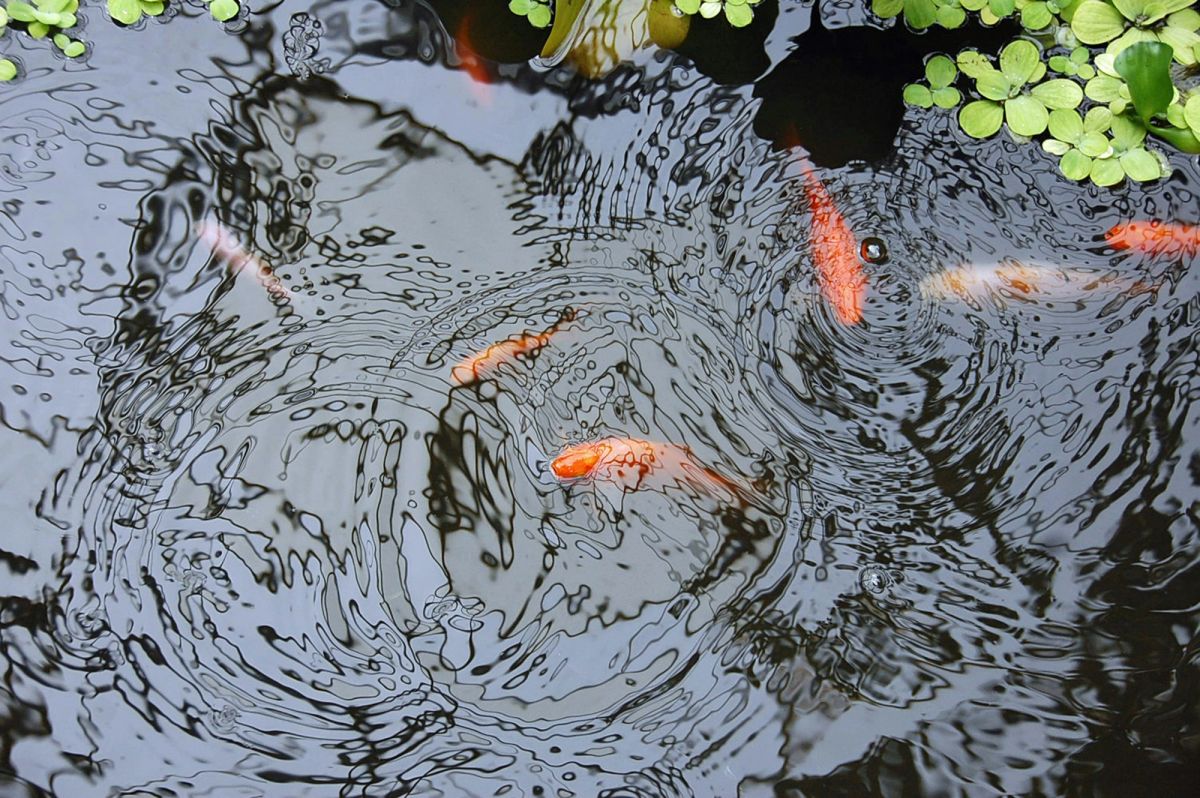
When people ask me about natural pond construction in Boise, they usually say something like, "I don't want a hot tub full of rocks. I want it to look like a creek ran through here." A natural pond hides its liner and its plumbing, uses stone that looks like it came from nearby, and stays clear because of a living balance instead of a jug of chemicals.
I'm Kabe Hockema, and I've been building landscapes in the Treasure Valley since 2012. Every pond I build follows the Aquascape ecosystem approach. This page is about the other half of natural pond construction: making a pond look and act natural in a Boise yard. My pond contractor page has the full list of pond work I do.
What "natural" really means in a backyard
Some people picture a dug hole that fills with rain. That doesn't work here. Our soil won't hold water on its own for long. An unlined hole seeps, turns to mud, and then dries out in August. A natural pond in Boise still has a liner. The difference is you never see it.
Here's what makes a pond look and work naturally:
- A hidden liner. Rock and gravel cover it all the way to the top edge, so no black plastic shows.
- A shape that follows the land. Curves, a deep end and a shallow end, and an edge that follows the slope instead of a perfect oval.
- Stone in layers. Big boulders, then smaller rock, then gravel, the way a creek sorts its stone.
- Plants at every depth. Lilies in the deep water, rushes along the edge, and garden plants that run right up to the stone.
- Balance over chemicals. A skimmer, a biofalls filter, beneficial bacteria and plants keep the water clear together.
Where a natural pond belongs
Placement matters more than people expect. A pond at the lowest point of the yard looks natural, but it also catches runoff carrying lawn fertilizer, which feeds algae. I usually set the pond near a low spot but build its edge a little above the soil around it, so runoff flows past instead of in.
I also look at where you'll see it from, how much sun it gets, and how close the trees are. On a slope in the Eagle foothills or Hidden Springs, the hill can carry a stream down into the pond the way water would really move. On a flat lot in Meridian or Nampa, I use soil from the dig to build a low berm that gives the waterfall some height without looking piled up.
Stone that looks settled in
The right stone does most of the work. I pick rock with rounded edges and natural weathering that suits your house and the area. Then I set each boulder with its best face showing and part of it buried. Rock that sits on top of the ground looks dropped there. Rock that's half buried looks like it's been there a hundred years. I also leave gaps and ledges under the stones, which fish use as hiding spots.
How I build a natural pond
- Lay out the shape with marking paint and look at it with you from the patio and the windows.
- Dig shelves at different depths: shallow ones for plants and a deep zone where fish can rest below winter ice.
- Set and level the skimmer and the biofalls filter, then run the pipe between them.
- Lay underlayment, then an EPDM rubber liner.
- Place boulders first, then smaller rock, then gravel.
- Fill, start the waterfall, and move stones until the sound and flow look right.
- Plant the water and the beds around it.
Living with Boise seasons
A natural pond changes through the year, and that's part of the appeal. Summer heat brings lily blooms and a little algae on the rocks, which is normal and even helpful in small amounts. Our freeze-thaw winters move soil, so I set big stones on firm, compacted ground. In winter the waterfall can build ice shapes or be shut off while the fish rest deep in the pond.
A pond that looks wild draws wildlife. Birds and dragonflies show up fast. So do herons and raccoons, which is why I build ledges and steep sides in the deep end where fish can get out of reach. If bringing in wildlife is the main goal, see wildlife pond creation.
What drives the cost
My published starting price is $15,500 for an 8' x 11' Aquascape system pond with a waterfall. A natural pond often goes past that base because of larger boulders, a longer stream, more plants, and grading the ground around it so the pond fits the yard. Access for equipment and how far the stone has to travel also count.
Related pond work
Natural ponds run on the same system as an ecosystem pond installation, which explains each part in more detail. The planting follows my approach to aquatic plant installation. To see how I handle stone and planting on other jobs, look through my projects.
Where I build
I take on natural pond construction in Boise, Eagle, Hidden Springs, Star, Meridian, Garden City, Kuna, Nampa, Caldwell and Middleton, plus Sun Valley and Ketchum. I take on a limited number of projects each season so I can be on site for each one.
If you want a pond that looks like it was always part of your yard, schedule a consultation for natural pond construction in Boise. I'll walk the yard with you and show you where a pond would look most at home.
More pond contractor services
- Aquatic plant installation
- Backyard pond installation
- Biofiltered pond installation
- Custom pond design
- Ecosystem pond installation
- Fish pond design
- Koi pond installation
- Koi ponds
- Pond cleaning
- Pond construction
- Pond dredging
- Pond excavation
- Pond filtration system installation
- Pond fountain installation
- Pond leak repair
- Pond lighting installation
- Pond liner replacement
- Pond maintenance
- Pond pump installation
- Pond relining
- Pond repair
- Pond water circulation system
- Pond winterization
- Pondless waterfall installation
- Small garden pond installation
- Water feature installation
- Waterfall installation
- Wildlife pond creation
Natural pond construction is part of my pond contractor services in Boise.
Natural pond construction questions
In a Boise backyard, yes. Our soil won't hold water on its own, so an unlined pond seeps and turns muddy. The liner is fully covered with rock and gravel, so you never see it.
Mosquitoes breed in still water. A natural pond has a waterfall keeping the water moving, and fish that eat larvae. Those two things keep mosquitoes down.
Usually less work than a pond that relies on chemicals. Plan on emptying the skimmer net, trimming plants in fall, and a clean-out in spring. The plants, bacteria and filter do most of the work in between.
Yes. Fish are part of the balance. The pond needs a deep zone where they can rest below the ice in winter and ledges where they can hide from herons.
Often, yes. Covering exposed liner with rock, resetting stones so they look settled in, and adding plants around the edge can change the whole look. I'll tell you what's possible after I see it.

Let's chat
Let's talk about your vision
If you're ready to create a space that's personal, timeless, and built to last, I'd love to hear what you're imagining. Let's start with a low-pressure conversation and see if we'd be a good fit to work together.
Schedule a Consultation