Hardscaping & Outdoor Living
Best Hardscape Materials for Idaho's Freeze-Thaw Climate
Idaho's freeze-thaw climate is hard on hardscaping. Temperatures that swing from 100°F in August to below zero in January can crack concrete, shift pavers, and push retaining walls out of alignment if the materials and installation aren't right.
Idaho's freeze-thaw climate is hard on hardscaping. Temperatures that swing from 100°F in August to below zero in January, combined with moisture that works its way into paver joints and base material, can crack concrete, shift pavers, and push retaining walls out of alignment if the materials and installation aren't right for these conditions.
The Core Problem: Freeze-Thaw Cycles
Water expands when it freezes, about 9 percent by volume. When that water is trapped in the pores of a paver, in a crack in a concrete slab, or saturated into a base that doesn't drain, that expansion exerts significant pressure on the material around it. Over enough freeze-thaw cycles, it fractures concrete, pops pavers out of alignment, and shifts walls. The solution is material selection that limits water absorption combined with installation methods that promote drainage.
Concrete Pavers: The Reliable Workhorse
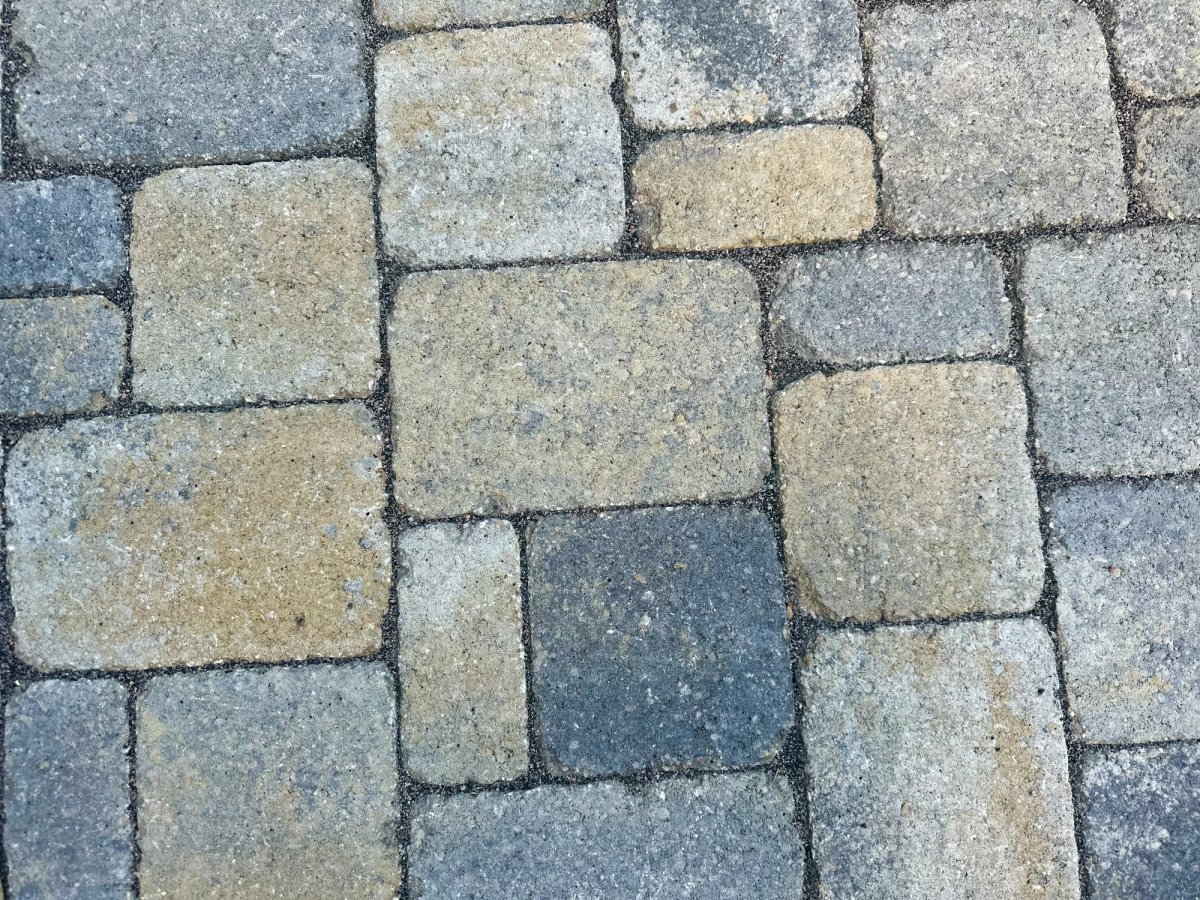
Quality concrete pavers are the most practical choice for most Boise residential projects. They're engineered to tight density and absorption standards, absorbing very little water and reducing freeze-thaw damage. They're installed with flexible joints rather than rigid mortar, which allows slight movement without cracking. And if a paver does shift or crack over time, individual pieces can be removed and replaced without tearing up the entire patio.
Natural Stone: Premium Performance When Installed Right
Natural stone, including bluestone, granite, and flagstone, performs well in Boise's climate when selected and installed correctly. Dense stones with low absorption rates hold up through freeze-thaw cycles without significant damage. Travertine is a notable exception: its natural pores can trap water and suffer freeze-thaw damage in harsh conditions, so it's better suited for covered applications.
Flagstone installed in a dry-laid application on a gravel base accommodates movement better than mortar-set stone, which can crack as the ground shifts through seasonal temperature changes.
A concrete slab poured without attention to air-entrainment, control joints, and base preparation will crack, often within three to five years in Boise's climate.
Poured Concrete: High Risk Without Proper Installation
Poured concrete can work in Boise, but it requires careful installation to perform. Proper mix design (adequate strength, air entrainment to handle freeze-thaw), appropriate control joints at regular intervals to manage cracking, adequate base preparation to prevent settling, and sealing to reduce surface water absorption are all critical.
For properties with significant slope, retaining walls introduce their own material decisions alongside the patio surface. Our retaining wall guide covers block, natural stone, and timber options specifically for Treasure Valley hillside conditions.
What to Avoid
Mortar-set brick without proper base and drainage fails quickly in Boise's climate. Highly porous natural stones like soft sandstone absorb water and break down through repeated freeze cycles. Thin concrete stepping stones crack within a few seasons in our conditions. And low-density concrete pavers that don't meet freeze-thaw density standards are a common source of patio failures.
Frequently Asked Questions
How deep should the base be for a Boise patio?
Standard recommendation for pavers on stable, well-drained soil is 4 to 6 inches of compacted aggregate base. Clay-heavy soils, areas with drainage challenges, or sites with freeze-thaw exposure may warrant a deeper base, 6 to 8 inches or more.
Should I seal pavers in Boise?
Sealing concrete pavers reduces water absorption, makes them easier to clean, and can enhance color. It's not strictly required for good performance in Boise's climate with quality pavers, but it's a worthwhile protective step, particularly for light-colored pavers where staining is a concern. Reapply every 3 to 5 years.
Written by
Kabe Hockema
Owner and principal designer at Hockema Landscape Design & Build. Twenty years of experience designing and building custom landscapes across Boise, Eagle, Meridian, Sun Valley, and the broader Treasure Valley.
Keep reading
Related Articles


Let's chat
Let's talk about your vision
If you're ready to create a space that's personal, timeless, and built to last, I'd love to hear what you're imagining. Let's start with a low-pressure conversation and see if we'd be a good fit to work together.
Schedule a Consultation